Determining Good Candidates for Egg Cryopreservation
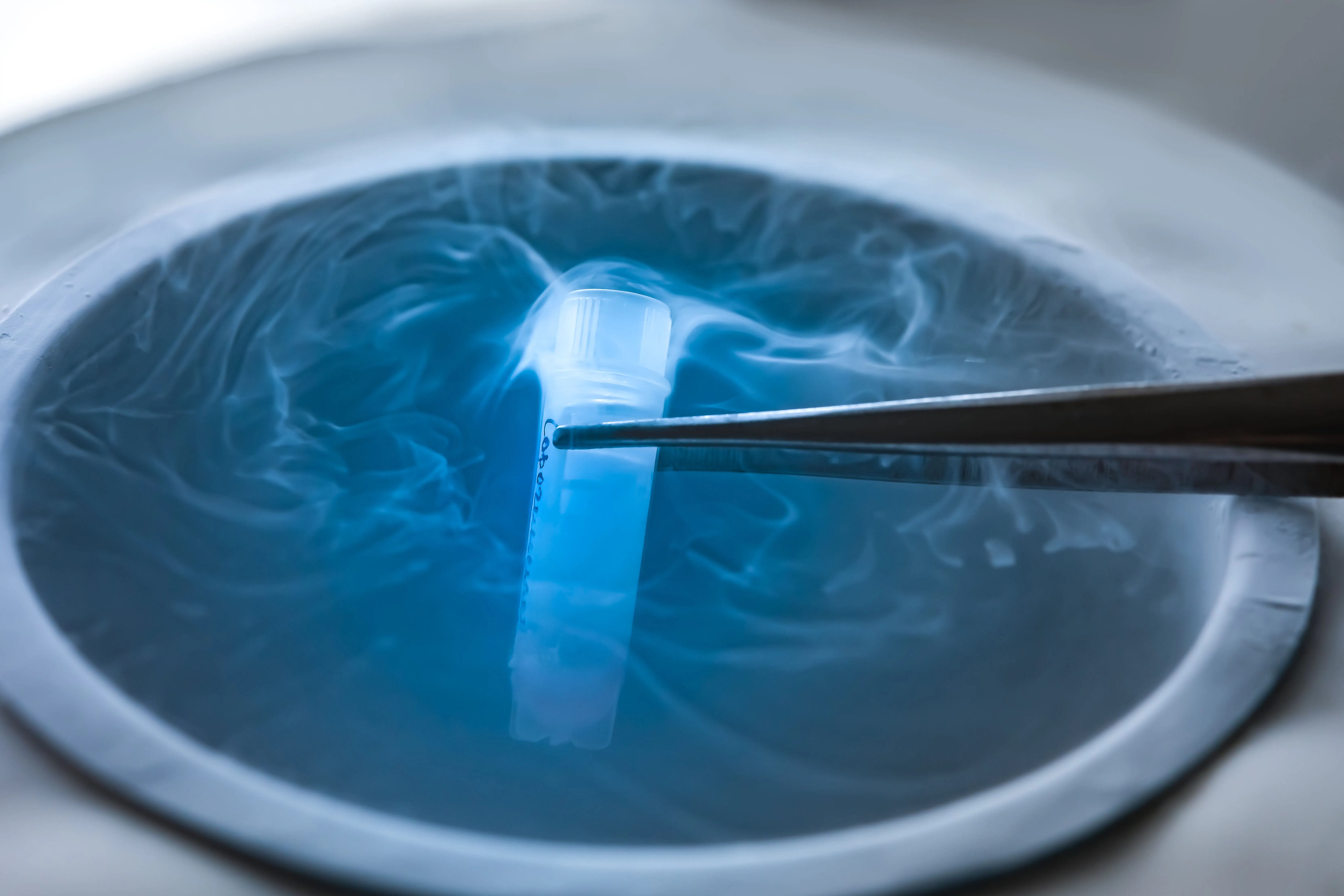
Which patients are good candidates for egg cryopreservation, and which patient populations are likely to see the best results overall? These questions are rising in prevalence with the increase in oocyte cryopreservation — both elective freezing and freezing before a medical event such as cancer treatment — in recent years.
Motivations Behind Freezing Eggs
There are multiple reasons patients choose to freeze eggs. Some may plan to undergo treatments that may compromise fertility, such as radiation therapy or gender-affirming surgery; in cases such as these, removing and freezing eggs before treatment can preserve healthy oocytes for future family planning. Egg freezing is helpful when complications arise in IVF procedures as well as if ethical concerns arise over unused embryos after a fresh transfer. Egg cryopreservation is also a possible option for people who want to donate eggs for others with compromised fertility. It can also allow partners who are both assigned female at birth to share both genetic and gestational parenthood together at a later date.
The best candidates for egg cryopreservation from a success standpoint are typically patients in their 20s and early 30s, simply because that is when egg viability is at its peak. Research published in the Journal of Assisted Reproduction and Genetics asserts that "the best results are achieved if eggs are cryopreserved before 36 years of age" in cases of elective egg freezing. Older patients may be eligible for egg freezing depending on any age cutoffs set by the individual fertility clinic, but OB/GYNs and reproductive specialists should be frank about the risks of pregnancy at an advanced age.
Patients who are interested in fertility preservation may have medically complex cases, such as ongoing treatment for cervical or ovarian cancer. In a case report in the Journal of Reproduction and Fertility, for example, a patient with an adnexal mass suspected to be a recurrent teratoma underwent an oophorectomy after ovarian hyperstimulation. The patient's oocytes were retrieved ex-vivo and frozen for potential use later.
Preliminary Assessments for Oocyte Preservation
According to the book "Preventing Age Related Fertility Loss," physicians should first establish a patient's reason for requesting oocyte cryopreservation. The treatment pathway of a cancer patient about to undergo chemotherapy will look very different from that of a young person who wants to preserve fertility before pursuing career goals.
Establishing a patient's mother's age at menopause is important, as this is associated with ovarian reserve and may indicate a predisposition to premature ovarian insufficiency. Other relevant factors include exposure to agents such as radiation or gonadotoxic chemicals and lifestyle factors such as smoking that can affect ovarian reserve. A physical examination can also help evaluate the patient's overall well-being.
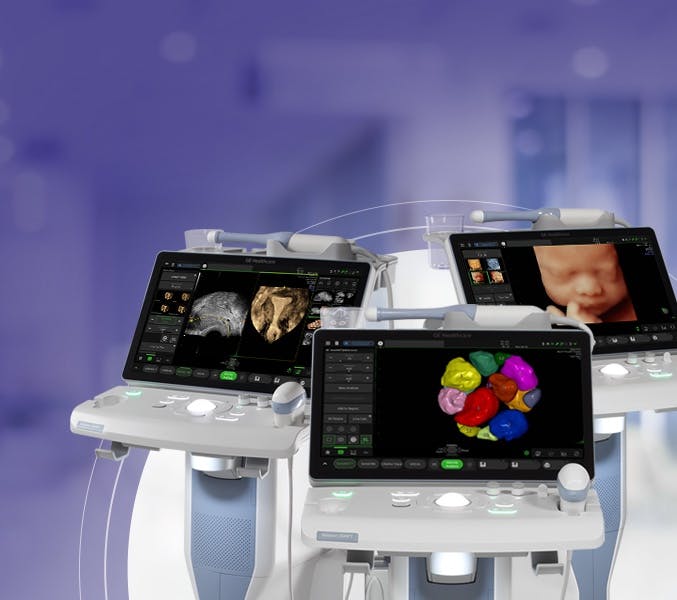
Ultrasound is a critical screening tool as well as one of the best methods of assessing ovarian reserve via antral follicle count. The presence of uterine, tubal or ovarian pathologies should also be ruled out before an egg cryopreservation cycle. Biomarkers including chronological age, follicle-stimulating hormone, anti-Müllerian hormone and antral follicle count best represent a patient's ovarian reserve.
Pre-Treatment Counseling
Providing individualized counseling prior to treatment helps guide patients through the decision-making process. Counseling should include a discussion of the clinical efficacy, cost, limitations and process of egg cryopreservation. Answering patients' questions is a key part of pre-treatment counseling.
One common question is: "How much does it cost to freeze eggs?" Fertility specialists should break down both the initial and long-term costs for patients. Beyond the cost of egg retrieval and initial oocyte cryopreservation, including medication, there is often a separate cost to store frozen eggs. This can run up to several thousand dollars in initial costs and yearly fees. A person who wishes to bank a number of eggs may have to undergo several cycles of ovarian stimulation. More insurance policies are covering egg cryopreservation, especially for medical reasons, but not every patient's insurance will cover the cost.
Other patient concerns that may surface in pre-treatment counseling include the side effects of the hormone injections and the risks of the oocyte retrieval process itself. Answering these questions in plain language can help establish which patients may benefit from freezing eggs and lead those patients who are not good candidates to a more appropriate option for fertility planning.