All Articles
- Ultrasound Technology & Innovation Ultrasound
4 Ways Cloud Healthcare Technologies Like Ultrasound IT Are Advancing the Industry
Healthcare has a connectivity problem. Health data is often siloed and difficult to access, leaving clinicians struggling to obtain the information.
- Ultrasound Technology & Innovation Pregnancy
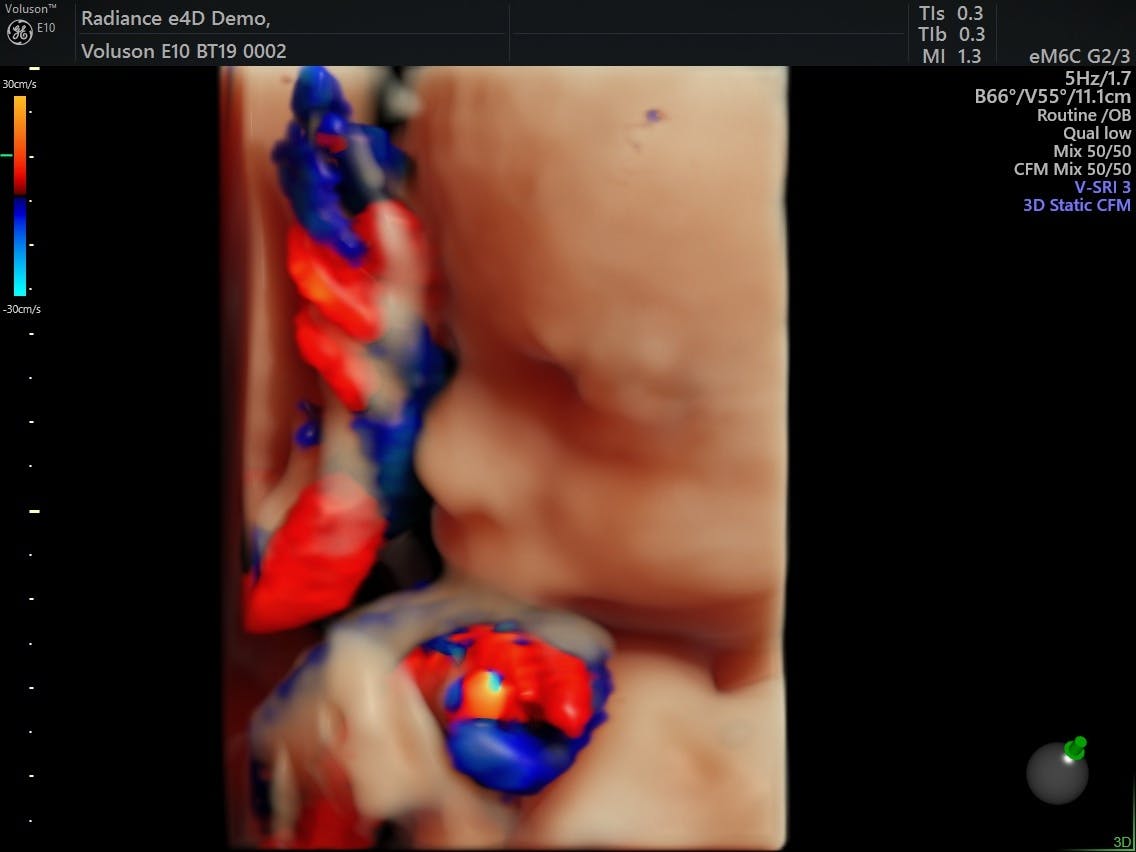
Nuchal Translucency: What Does It Mean?
The nuchal translucency ultrasound is critical to determine the risk of genetic abnormalities in a developing fetus.
- Ultrasound Technology & Innovation, Women's Health Pregnancy
Umbilical Artery Doppler Assessment: A How-To Guide
Umbilical artery doppler assessment provides information about increased vascular resistance, allowing for the identification of high-risk pregnancies.
- Pregnancy
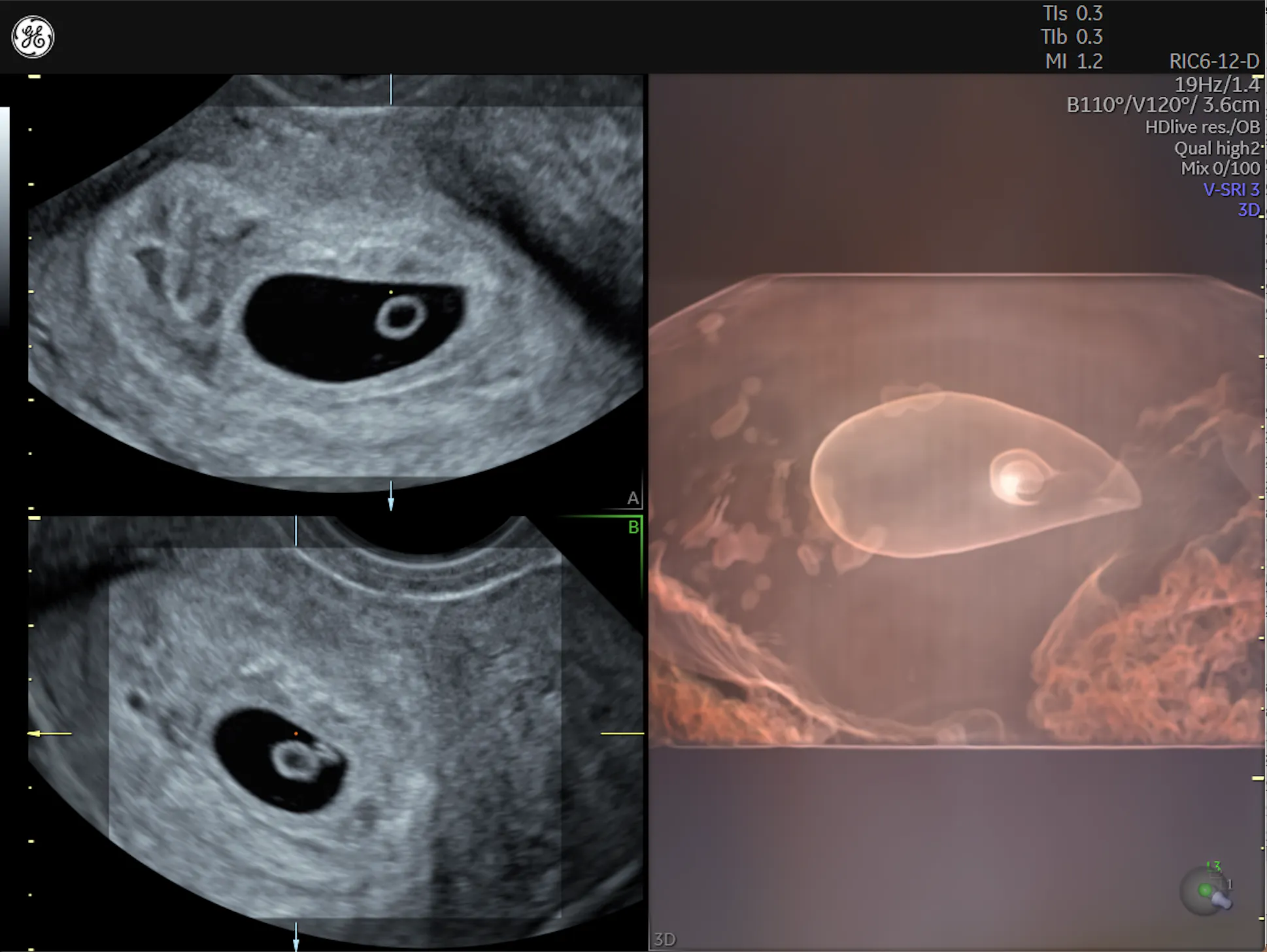
The Value of Transvaginal Ultrasound During Pregnancy
With rare exceptions, transvaginal ultrasound (TVU) in pregnancy is the preferred imaging tool to use in the first trimester. Learn why.
- Women's Health Pregnancy
Climate Change and Health: Impacting Gender Disparities on a Global Scale
Recent reports on climate change and health suggest the changing planet may worsen health disparities for women.
- Best Practices
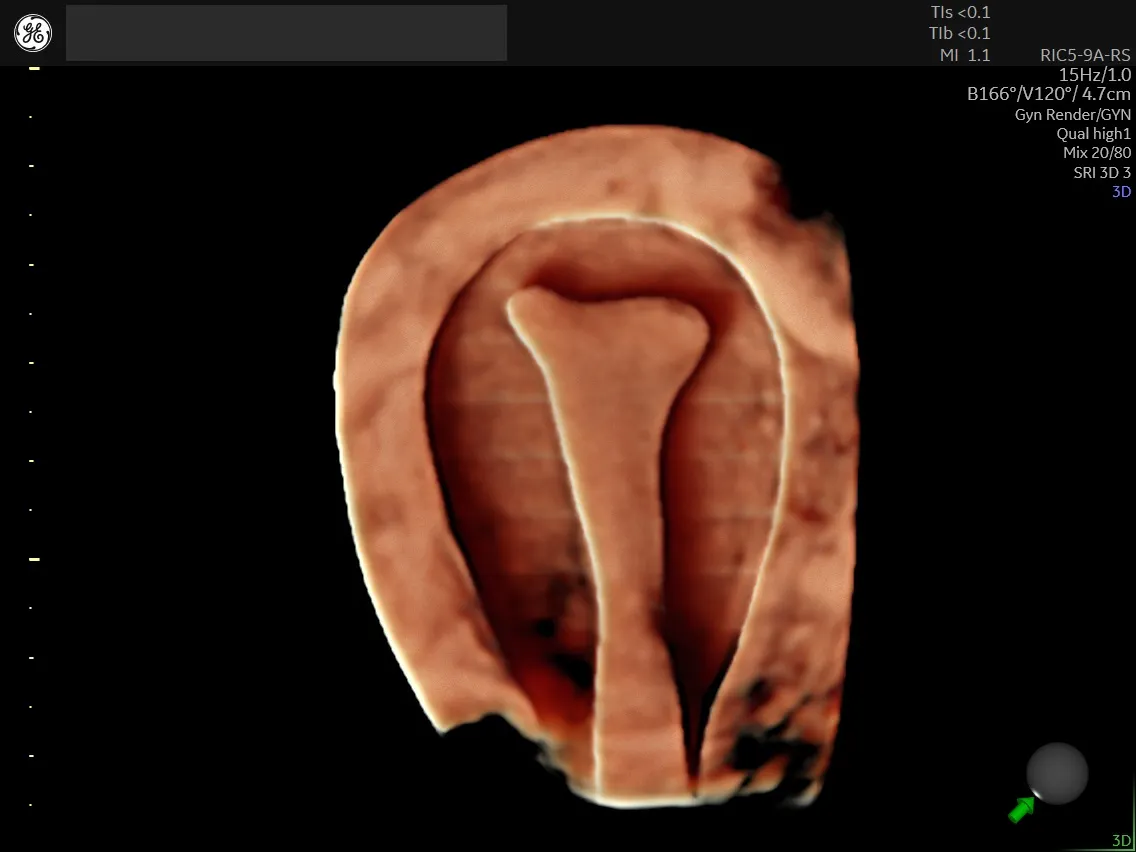
How to Assess Abnormal Uterine Bleeding in Adolescents
Abnormal uterine bleeding can be a normal part of the onset of menses, but it can also indicate an underlying problem.
- Pregnancy

Detecting Placenta Previa on Ultrasound
Placenta previa is an abnormal pregnancy state: the placenta is implanted over the internal cervical os. Diagnosing placenta previa on ultrasound is vital.
- Best Practices
Managing the Anovulatory Cycle in Adolescent Patients
An anovulatory cycle or ongoing anovulation is not uncommon for young girls after menarche. Learn what to look for and how to manage anovulation in teens.
- Women's Health Gynecology
How to Use Pelvic Ultrasound Exams to Keep Patients With Anorexia on Track
Anorexia nervosa leads to irregular periods and other reproductive health issues. Pelvic ultrasound monitors recovery and provides objective targets.
- Gynecology
Why OB/GYNs Should Conduct Heart Disease Risk Assessments
OB/GYNs have insights other providers may not. Adding heart disease risk assessments to annual exam guidelines can improve early access to care and prevention.